
Acıbadem Bodrum Hospital

A trusted companion for your child's health

Dr. Cengiz Akbenlioğlu — Pediatrician (Child Health and Diseases Specialist). Supporting your child's growth, development and health from the newborn period through adolescence.

29 yearsMedical experience
0–18 yearsNewborn to adolescence
BodrumMuğla
Dr. Cengiz Akbenlioğlu
Well-child careGrowth and development
Newborn careNICU experience
Istanbul Univ. CerrahpaşaSchool of Medicine, 1997
Marmara UniversityPediatrics residency
AcıbademSince 2016
Video consultationOnline appointments
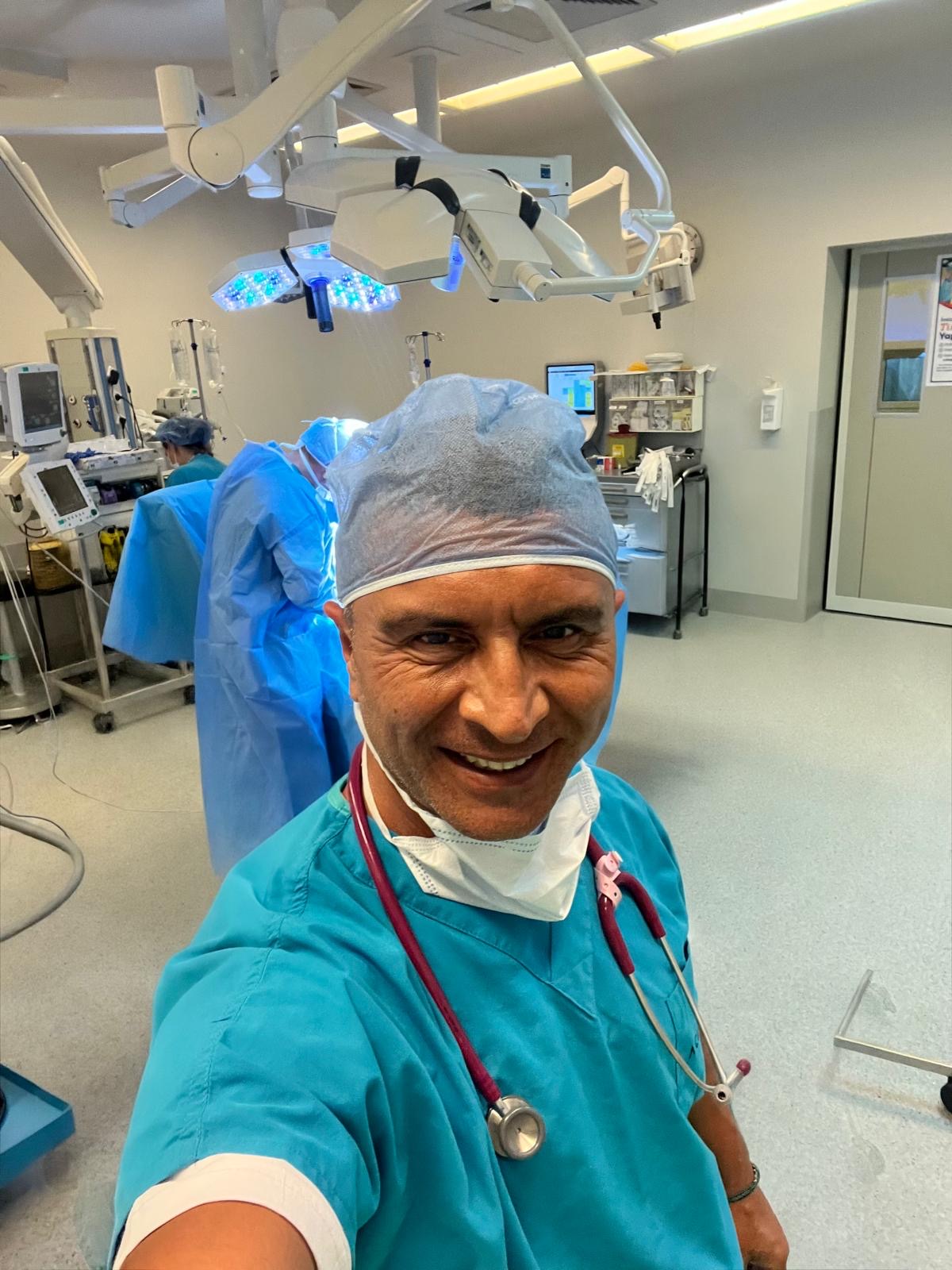
Dr. Cengiz Akbenlioğlu in the operating room
From birthThere from a newborn's very first moments
About

Dr. Cengiz Akbenlioğlu

He graduated from Istanbul University Cerrahpaşa Faculty of Medicine in 1997 and completed his residency in Child Health and Diseases (Pediatrics) at Marmara University Faculty of Medicine.

He has been with Acıbadem Healthcare Group since 2016 and currently works in pediatrics and neonatal intensive care at Acıbadem Bodrum Hospital.

His main areas of interest include well-child care, vaccination, child nutrition, allergy, neuromotor development and sleep training.

  • 2016 – Present

    Acıbadem Healthcare Group · Bodrum Hospital

    Pediatrician

  • 2002

    Marmara University Faculty of Medicine

    Residency in Pediatrics

  • 1997

    Istanbul University Cerrahpaşa Faculty of Medicine

    Doctor of Medicine (MD)

Your Visit

What to expect at a visit

From the first step to follow-up, the process is simple and clear.

Appointment

Book an in-person or video appointment via the Acıbadem website, the mobile app or by calling +90 444 55 44.

Listening

Your account of your child's symptoms, past illnesses, feeding and development is listened to carefully.

Examination

An age-appropriate, child-friendly physical examination with height, weight and developmental assessment.

Plan and follow-up

Any tests or treatment are clearly explained, and the next check-up is scheduled together.

Services

How can he help?

From infancy to adolescence, he cares for your child at routine check-ups and during illness.

Newborn and Neonatal Intensive Care

First examination after birth, screening tests, jaundice monitoring and treatment; follow-up of babies who need intensive care.

Well-Child Care

Regular growth monitoring with height, weight and head circumference measurements, plus age-appropriate check-ups.

Vaccinations

Vaccinations following the Turkish Ministry of Health schedule, and guidance on optional vaccines.

Child Nutrition

Breastfeeding, starting solid foods, picky eating, and nutrition problems such as iron deficiency and lactose intolerance.

Neuromotor Development

Assessment of milestones such as head control, sitting, crawling, walking and talking.

Sleep Training

Healthy sleep habits for babies and children, night waking, and guidance for parents on bedtime routines.

Childhood Allergies

Evaluation of food allergies, eczema, allergic rhinitis and recurrent wheezing.

Childhood Infections

Diagnosis and treatment of fever, upper respiratory infections, croup and illnesses with a rash.

Colic and Digestive Problems

Gas pain and colic in babies; constipation and functional digestive problems in children.

Other areas of interest

Iron deficiency and anemia Lactose intolerance in infants Growth disorders Rickets Marasmus Blood in the urine (hematuria) Bedwetting and urinary incontinence Kawasaki disease PFAPA syndrome Croup Febrile seizures Chickenpox, measles, rubella, scarlet fever
Care by Age

Every stage has its own needs

Well-child visits focus on different topics depending on your child's age.

Infancy

The first year of life is when growth and development are fastest. Check-ups are therefore more frequent, and parents get close support with baby care.

  • Newborn screening tests, jaundice and hip checks
  • Breastfeeding support and weight-gain monitoring
  • Vaccines according to the immunization schedule
  • A plan for starting solids at 6 months; vitamin D and iron supplements
  • Motor milestones such as head control, rolling over and sitting

Toddlers and preschoolers

As walking, talking and independence develop, eating habits and sleep routines come to the fore.

  • Assessment of speech and language development
  • Picky eating, iron deficiency and anemia checks
  • Sleep routines and toilet training
  • Frequent infections and the nursery years
  • Referrals for eye, ear and dental health

School age

Once school starts, physical activity, nutrition and screen habits matter more. Regular check-ups confirm that growth is on track.

  • Height and weight monitoring, healthy weight management
  • Health assessments for school and sports
  • Allergies and recurrent wheezing
  • Common problems such as bedwetting and constipation
  • Advice on screen time, sleep and physical activity

Adolescence

During this time of physical and emotional change, communication is built on trust so that young people feel at ease.

  • Monitoring pubertal development
  • Nutrition, sports health and weight balance
  • Adolescent vaccinations
  • Sleep, screen use and school stress
  • Referral to other specialists when needed
For Parents

When should you see a doctor?

You are usually the first to notice when something isn't right with your child. The information below is a general guide; whenever something worries you, contact your doctor.

Call 112 (emergency) immediately

  • Marked difficulty breathing, bluish lips
  • Having a seizure
  • Cannot be woken, or is extremely drowsy
  • Swallowed object or suspected poisoning
  • Fever with a purple-red rash that does not fade when pressed

See a doctor the same day

  • Fever of 38°C or higher in a baby under 3 months
  • Passing little urine, dry mouth, crying without tears
  • Persistent vomiting or unable to keep fluids down
  • Fever lasting more than 3 days
  • Ear pain, stiff neck, severe headache

This section is for general information only and does not replace a medical examination.

Parent Guide

What parents ask most

Short, practical information on common topics.

🍼

Infant colic

0–4 months

Colic is long bouts of inconsolable crying in an otherwise healthy baby, especially in the evening. It usually starts in the first weeks and eases on its own by around 3–4 months in most babies.

  • A calm environment, gentle rocking and skin-to-skin contact can soothe.
  • Remember to burp your baby after feeds.
  • Fever, vomiting, poor weight gain or refusing feeds always need a medical check.
🌙

Sleep training

Babies and toddlers

A regular bedtime routine helps both children and parents rest better.

  • Create a short routine in the same order every evening: bath, pyjamas, book, sleep.
  • Putting your baby down drowsy but awake teaches them to fall asleep on their own.
  • Babies should always sleep on their back, on a flat mattress, without pillows.
  • Avoid screens in the hour before bed.
🥕

Starting solid foods

From 6 months

Exclusive breastfeeding is recommended for the first 6 months. From 6 months, solid foods are introduced while breastfeeding continues.

  • Introduce new foods one at a time, a few days apart.
  • Start with smooth purées and gradually move to thicker textures.
  • Do not give honey, salt or added sugar before age 1.
  • Do not give whole nuts, grapes, sausages or other foods that are a choking hazard.
🌡️

What to do when your child has a fever

All ages

Fever is a sign that the body is fighting an infection. What matters most is your child's overall condition.

  • Give plenty of fluids, dress your child lightly and keep the room cool.
  • Give fever reducers at the right dose for your child's weight and as advised by your doctor.
  • Never give aspirin to children.
  • If a baby under 3 months has a fever, see a doctor without delay.
Video

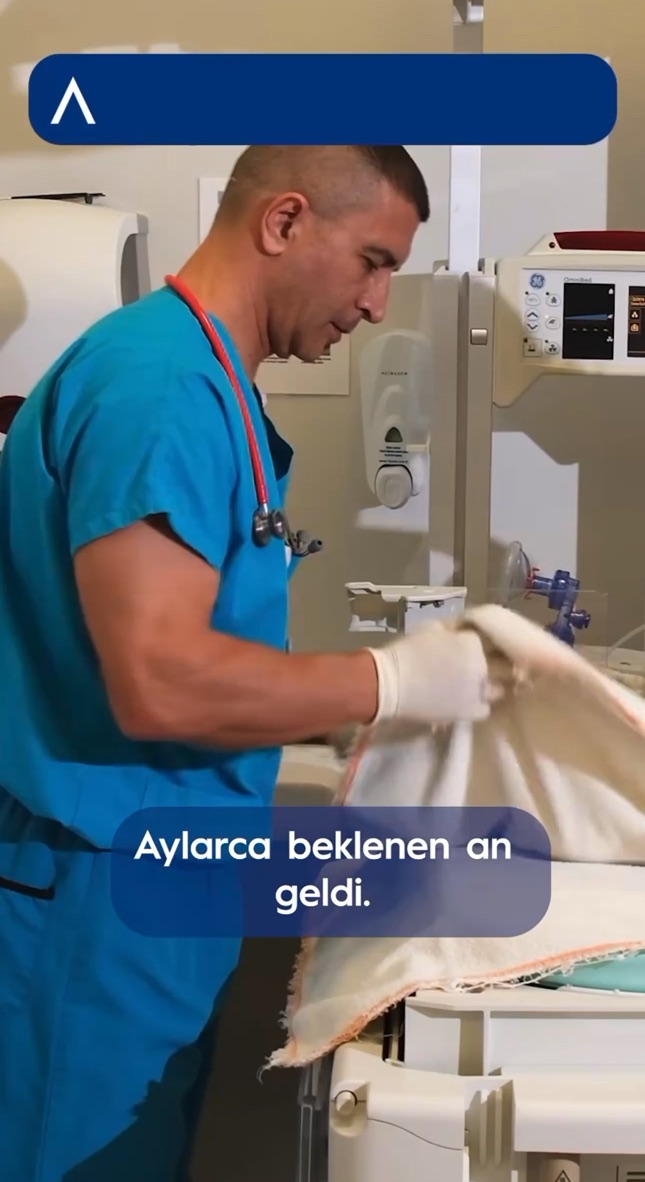
The first 60 seconds of a life

In the video “The First 60 Seconds of a Life”, Dr. Cengiz Akbenlioğlu talks about a newborn's very first moments. (In Turkish.)

More videos: @drceak
The first 60 seconds of a life – video with Dr. Cengiz Akbenlioğlu
What Families Say

Families' feedback

Reviews shared by families he has cared for. Reviews are shown in their original Turkish.

Family reviews

Frequently Asked Questions

Common questions

How do I book an appointment?

You can book online through the doctor's page on the Acıbadem website or by calling the Acıbadem Call Center on +90 444 55 44. Simply choose Acıbadem Bodrum Hospital and Dr. Cengiz Akbenlioğlu.

Are video consultations available?

Yes. For questions you would like to discuss before coming to the hospital, you can also book a video consultation through Acıbadem.

Which age groups does he see?

All children and adolescents, from newborns up to age 18.

How often should well-child check-ups be done?

Check-ups are more frequent in the first year and then spaced further apart. A follow-up plan suited to your child is agreed at the first visit.

What should I bring to the appointment?

Your child's vaccination record, previous test results and reports, a list of regular medications, and a note of any questions you want to ask.

Which insurance plans are accepted?

For up-to-date information on contracted institutions and private health insurance, please contact the Acıbadem Call Center (+90 444 55 44).

Appointments & Contact

Book an appointment

Appointments are made through Acıbadem Bodrum Hospital.

Acıbadem Bodrum Hospital ↗Müskebi Mahallesi 2716 No:11/A-B-C-D, Ortakent – Bodrum / Muğla, Türkiye
Acıbadem Call Center+90 444 55 44
Video ConsultationCan be selected on the online booking page
Book Online